

Cryptocurrencies — the New Oil: The Digital Fuel of the Economy of the Future
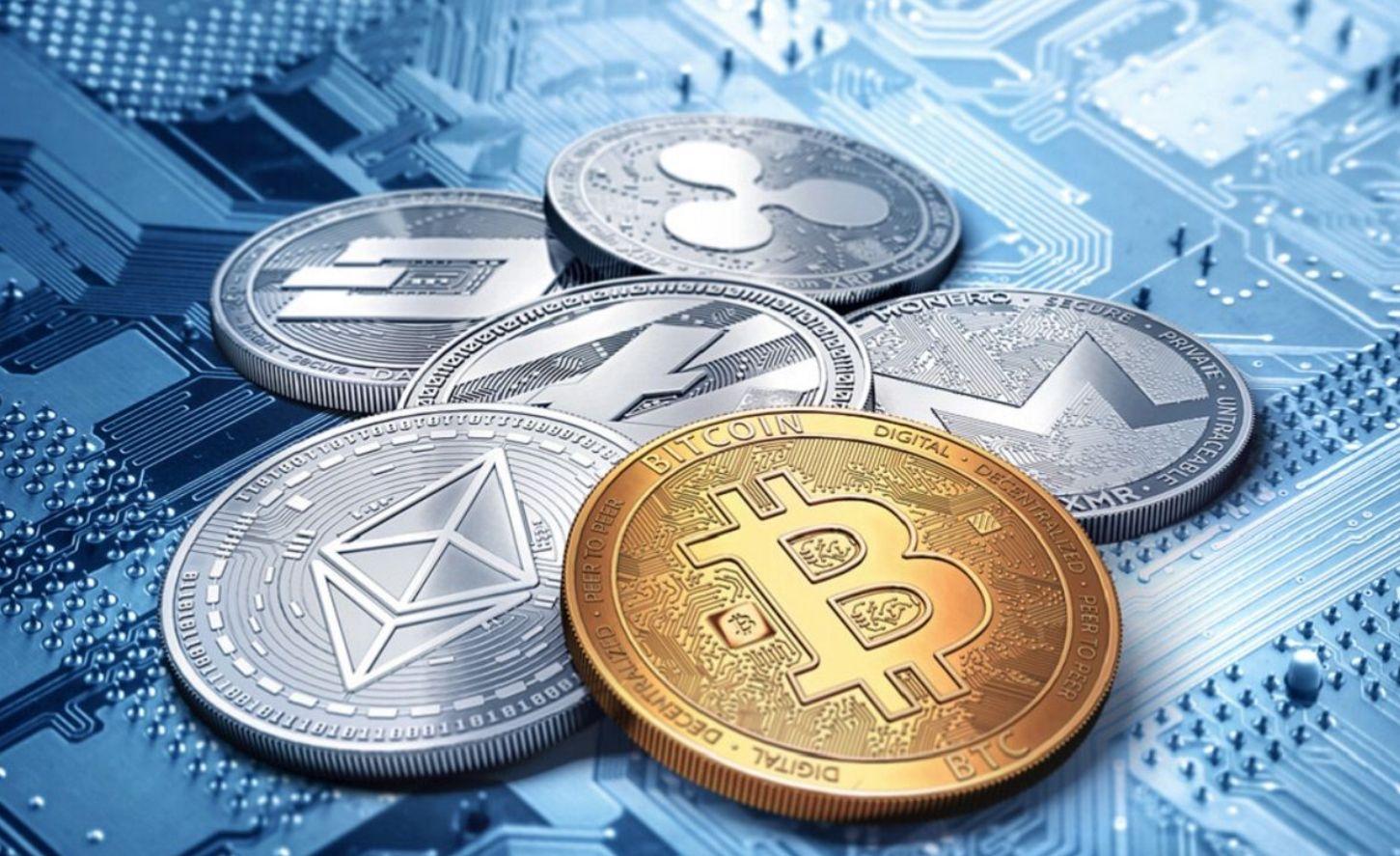
Over the past century, oil has been the primary driver of the global economy. This “black gold” has shaped the world order, sparked wars, catalyzed technological development, and served as a tool of geopolitical influence. But the 21st century brings a new reality—a digital one. In this reality, oil is being replaced by cryptocurrency. Why are digital assets being compared to a traditional energy resource? Let’s explore.
The Age of Oil: A Brief Overview
Since the late 19th century, oil has been a key resource for industry, transportation, and electricity generation. It enabled the economic rise of the United States, laid the foundation for the oil monarchies of the Middle East, and turned Russia into one of the world’s energy giants. Even today, the price of a barrel of oil affects currency rates, stock markets, and even governments’ fates.
However, in recent decades, the downsides of “oil dependence” have become clear: environmental risks, limited resources, unequal distribution, and the politicization of supply. The world began seeking alternatives: renewable energy, electric vehicles, and energy-efficient technologies. In the digital economy, a new form of value emerged—cryptocurrency.
What Oil and Cryptocurrency Have in Common
At first glance, Bitcoin or Ethereum seems nothing like oil. Oil is a physical substance; cryptocurrency is lines of code. But looking at function rather than form, the parallels are striking:
- Scarcity and limitation
- Oil is valuable because it’s finite and costly to extract. Likewise, cryptocurrencies—especially Bitcoin—are limited. Only 21 million bitcoins will ever exist, and mining becomes harder each year. This is a programmed scarcity, analogous to a natural one.
- The need for “extraction”
- Both oil and cryptocurrencies require effort to obtain. For oil, this means drilling and transport; for crypto, computation and energy. Cryptocurrency mining can be seen as the digital equivalent of drilling wells.
- Value as a foundation for the economy
- Oil is a base commodity for fuel, plastics, and fertilizers. Cryptocurrency similarly underpins the digital economy: smart contracts, DeFi, NFTs, DAOs—all rely on blockchain and crypto.
- Geopolitics and power
- Control over oil grants countries influence. Saudi Arabia, Russia, and the U.S. are examples. Similarly, states and corporations with significant crypto resources or infrastructure—like mining operations or major exchanges—gain a new form of digital power.
Why Cryptocurrency Is Becoming “Digital Oil”
- Digital infrastructure needs digital currency: The modern internet is evolving toward Web3—a decentralized, secure, and transparent network. In this environment, cryptocurrency isn’t just an asset; it’s fuel. Without it, applications, services, and payments cannot function.
- Independence from states and banks: Oil long represented state control. Cryptocurrency offers a model independent of central banks and governments, which is particularly important under sanctions, inflation, or economic crises. Many investors view crypto as “digital gold” or the “oil of the future.”
- Growing institutional support: Cryptocurrencies have moved from a niche phenomenon to attracting major investors and companies—BlackRock, Fidelity, Tesla, PayPal—all investing or integrating crypto technologies. This mirrors how transnational corporations expanded into oil fields in the 20th century.
Who Owns the New Oil?
In the oil era, resources were controlled by governments and major corporations. Cryptocurrency was initially designed as a democratic technology, though we now see centralization as mining pools, exchanges, and funds accumulate large shares.
Unlike oil, cryptocurrency remains accessible to anyone. Anyone can create a wallet, invest, or participate in DeFi projects—a fundamental difference and an opportunity for a more equitable digital economy.
Risks of Cryptocurrencies as the “Oil of the Future”
Cryptocurrencies are not without challenges:
- High volatility—prices can swing dramatically in a single day.
- Regulatory uncertainty—different countries have different rules.
- Fraud and hacking risks.
- Environmental concerns, particularly for Bitcoin’s energy-intensive Proof of Work.
However, technological advances (e.g., Ethereum’s shift to Proof of Stake), better regulation, and increased user knowledge are gradually mitigating these issues.
The Future of the Economy Is Digital
If the 20th century was dominated by oil, the 21st promises to be the era of digital assets. Cryptocurrency is becoming a new, universal, decentralized, programmable resource—the “oil” of the digital world—fueling the financial, social, and economic systems of the future.
Those who controlled oil set global rules. The question now is: who will control “digital oil,” and what role will we play in shaping it?