

Cryptomats and Their Future: A New Stage in the Development of Digital Finance
Cryptomats and Their Future: A New Stage in the Development of Digital Finance
In recent years, cryptocurrencies have firmly entered our lives, transforming the financial system and creating new opportunities for investments and payments. One significant element contributing to the popularization of digital currencies is cryptomats — specialized machines that allow users to quickly and conveniently exchange fiat money for cryptocurrency and vice versa. This article explores what cryptomats are, how they work, and their prospects and role in the future of finance.
What Are Cryptomats?
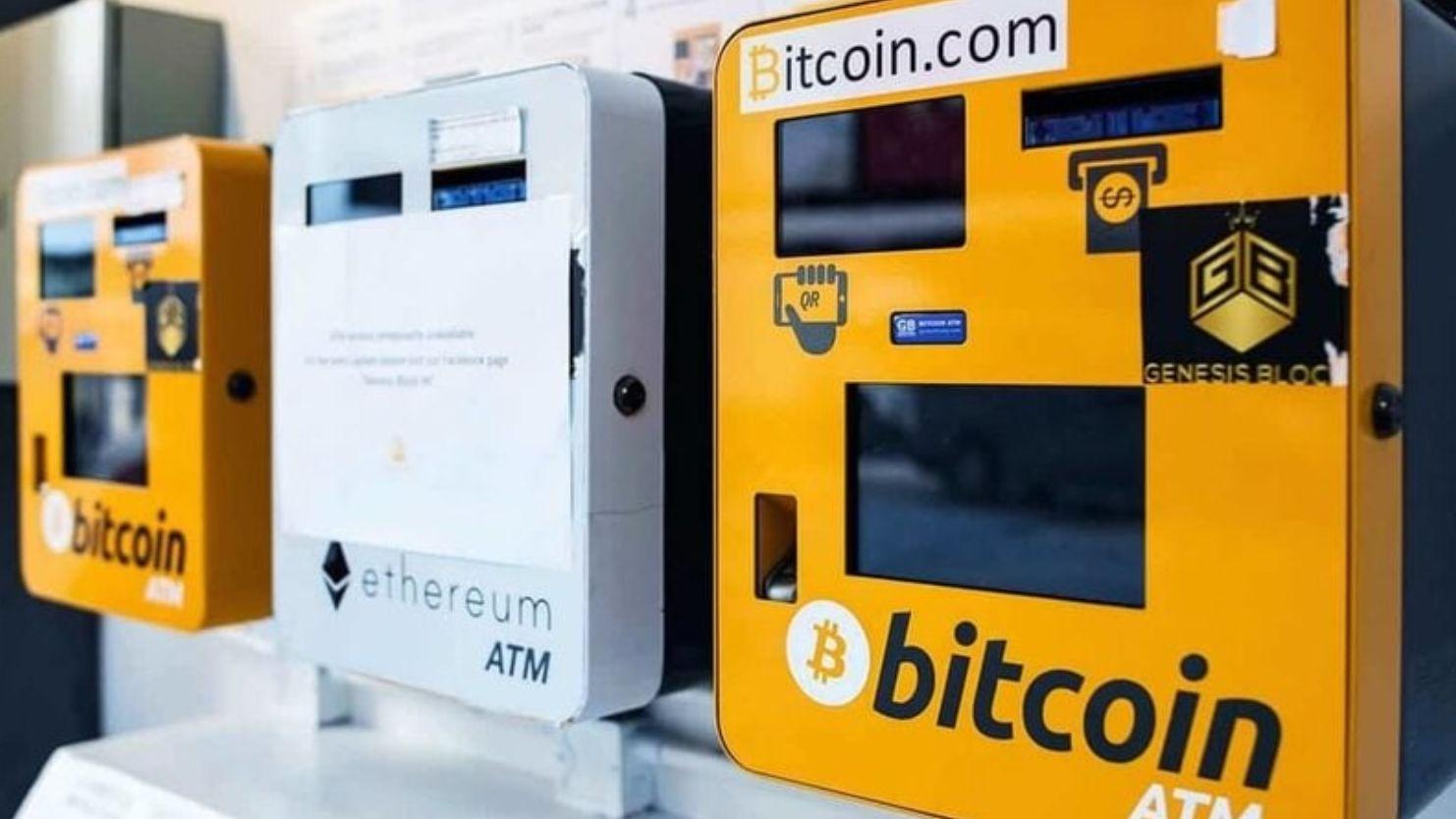
Cryptomats are terminals that resemble ATMs but are designed for cryptocurrency exchange. They allow users to:
- Buy cryptocurrency using cash or a bank card.
- Sell cryptocurrency and receive cash.
- Some models even allow users to check balances and manage crypto wallets.
The first cryptomats appeared around 2013–2014, and since then, their numbers have been steadily growing worldwide. They are especially popular in countries with high demand for digital assets and underdeveloped banking infrastructure.
How Cryptomats Work
Technically, a cryptomat is a specialized terminal with dedicated software connected to the internet and exchange platforms. Users select a transaction (buy or sell), enter the amount, scan a wallet QR code or receive a QR code for sending funds, and confirm the transaction. The terminal executes the exchange at the current market rate. Unlike traditional exchanges, cryptomats offer instant and sometimes anonymous transactions, making them convenient for beginners and privacy-conscious users.
Advantages of Cryptomats
- Accessibility and Simplicity: Operate 24/7 without complex registration procedures.
- Instant Transactions: Exchanges typically take seconds to a few minutes.
- Privacy: Small transactions can often be completed with minimal personal information.
- Physical Presence: Cash withdrawals or immediate wallet top-ups add convenience unavailable online.
Challenges and Limitations
- High Fees: Transaction fees are often higher than online exchanges.
- Regulatory Restrictions: Strict crypto regulations limit deployment in some countries.
- Fraud Risk: Some terminals may be misused for illegal activity.
- Technical Vulnerabilities: Cryptomats, like any software, are susceptible to hacking.
Current Trends in Cryptomat Development
- Support for New Cryptocurrencies: Expanding beyond Bitcoin and Ethereum.
- Bank Integration: Some machines accept bank cards, increasing functionality.
- Multi-functionality: Some cryptomats now offer mobile top-ups, bill payments, and gift card purchases.
Future Prospects
- Widespread Adoption in Developing Countries: Cryptomats may become a primary access point to digital currencies and the global economy.
- Increased Regulation and Standardization: Growth will lead to stricter AML and CFT compliance, making machines safer and more transparent.
- Technological Advancements: Integration of AI and improved security will make cryptomats smarter and more reliable.
- Banking Integration: Partnerships with banks will expand the range of financial services offered via cryptomats.
- New Cryptomat Formats: Future machines may be mobile, IoT-integrated, and feature biometric or voice authentication.
Cryptomats are more than a convenient tool for exchanging digital currencies; they are a crucial part of the cryptocurrency ecosystem and the future of finance. Their popularity will continue to grow, along with evolving security requirements and user expectations. In a world where digital money is becoming the norm, cryptomats will bridge the gap between traditional finance and the new digital economy, making cryptocurrencies accessible to everyone.
The future of cryptomats looks bright and dynamic — they will simplify access to digital assets and become a key component of next-generation financial infrastructure.