

Digital Gold: How Tokenization Is Transforming the Precious Metals Market
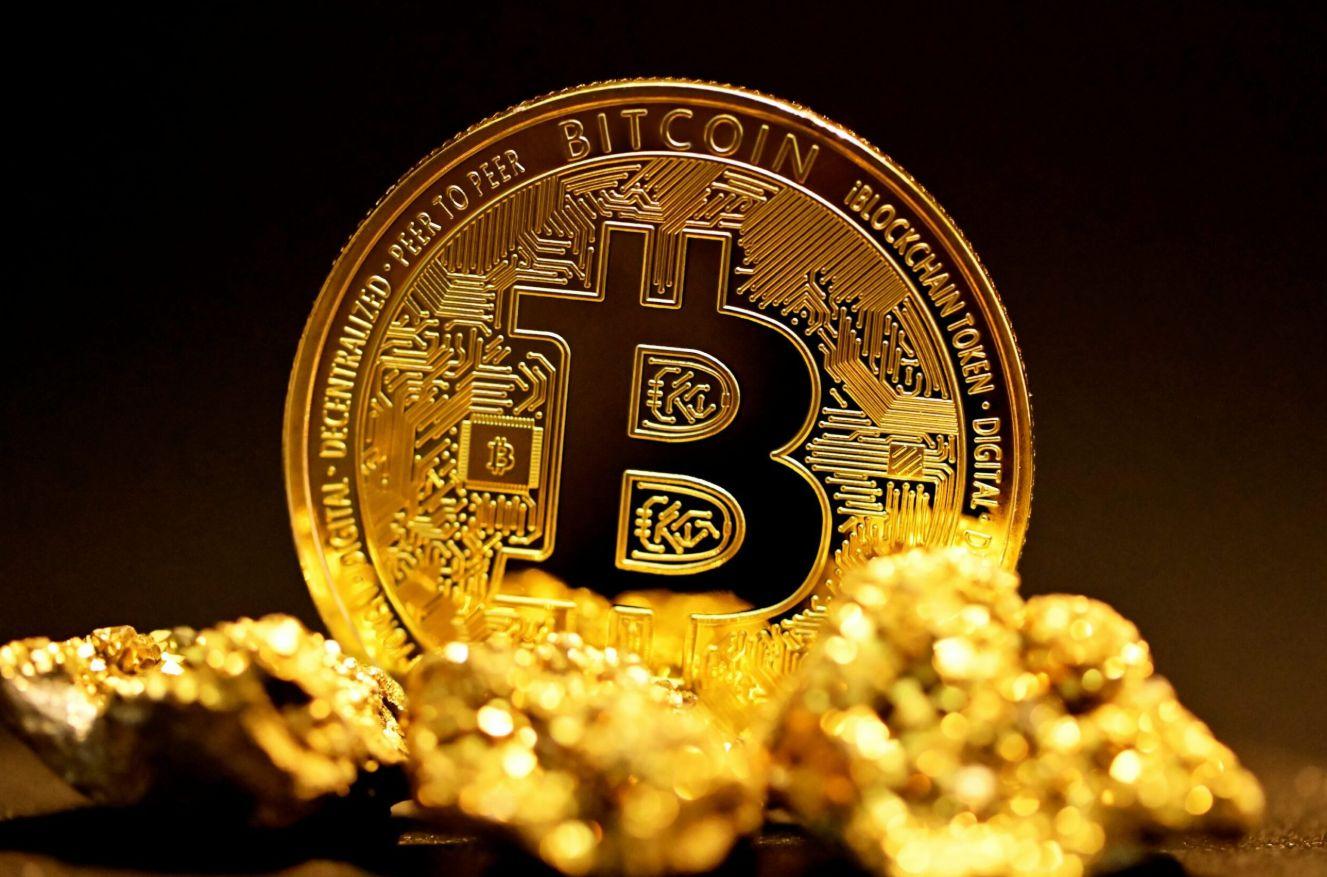
Digital Gold: How Tokenization Is Transforming the Precious Metals Market
For centuries, gold has been a symbol of wealth, stability, and reliability. From ancient coins to modern bullion, it has always been seen as a solid asset and a universal store of value.
However, with the rise of digital technologies and blockchain, gold has entered a new era — the era of tokenization. Today, investors can acquire "digital gold" in the form of tokens backed by physical metal, all without leaving their homes. But what drives this trend, how does it work, and what opportunities does it open for financial markets?
What Is Gold Tokenization?
Tokenization is the process of converting ownership rights of a physical asset into a digital form represented by a blockchain token. In the case of gold, each token (e.g., 1 token = 1 gram of gold) is backed by actual gold stored in a secure vault. Token holders have the right to the corresponding amount of metal, which can even be physically withdrawn if necessary.
Thus, tokenized gold is a digital asset backed by a gold reserve. It combines the properties of classic gold with the convenience of cryptocurrency.
Benefits of Gold Tokenization
- Accessibility
- Previously, investing in gold required buying bars, coins, or opening metal accounts. Now, it can be done online through a digital wallet, even in fractions of a gram.
- High Liquidity
- Tokens trade 24/7 on crypto exchanges, significantly increasing transaction speed compared to the traditional gold market, where deals could take days.
- Reliability
- Each token is verified by physical gold held in certified depositories. Issuing companies undergo regular audits, publish reports, and ensure transparency.
- Security and Immutability
- Blockchain technology protects against fraud, hacking, and double-spending. All transactions are recorded in a distributed ledger that cannot be altered.
- Simplified Cross-Border Transfers
- Token transfers do not require banks, currency restrictions, or lengthy procedures, which is particularly valuable for international investors.
Major Gold Tokenization Projects
- PAX Gold (PAXG): 1 PAXG = 1 troy ounce of gold stored in Brink’s vaults in London.
- Tether Gold (XAUT): Linked to 1 ounce of physical gold and available on many exchanges.
- DigixDAO (DGX): Each 1 DGX is backed by 1 gram of gold, with detailed reserve reports provided.
Legal and Regulatory Aspects
Despite its advantages, gold tokenization faces regulatory challenges. Different countries classify digital assets differently — as commodities or securities — affecting issuance, storage, and trading rules. Trust in issuers is crucial: investors need assurance that each token is truly backed by gold. Independent audits and adherence to reporting standards are key.
Risks and Limitations
- Technical failures: Vulnerabilities in smart contracts could lead to token loss.
- Storage reliability: If the issuing company faces bankruptcy or legal issues, access to gold may be compromised.
- Price fluctuations: Gold is stable but still subject to market variations.
The Future of Gold Tokenization
Gold tokenization is more than a trend; it’s a logical step in the evolution of financial markets. It makes investing in precious metals more democratic, liquid, and transparent. Future developments may include:
- Integration of gold tokens into banking systems and fintech apps;
- Creation of hybrid assets (e.g., tokens backed by baskets of resources);
- Smart contracts for automatic dividend payments, fees, and guarantees.
Gold tokenization bridges the past and the future of finance, combining the reliability of traditional assets with the flexibility of digital technology. Despite risks and regulatory hurdles, it opens new horizons for investors and transforms the very concept of value and ownership.