

Bitcoin is increasingly being called the best way to save
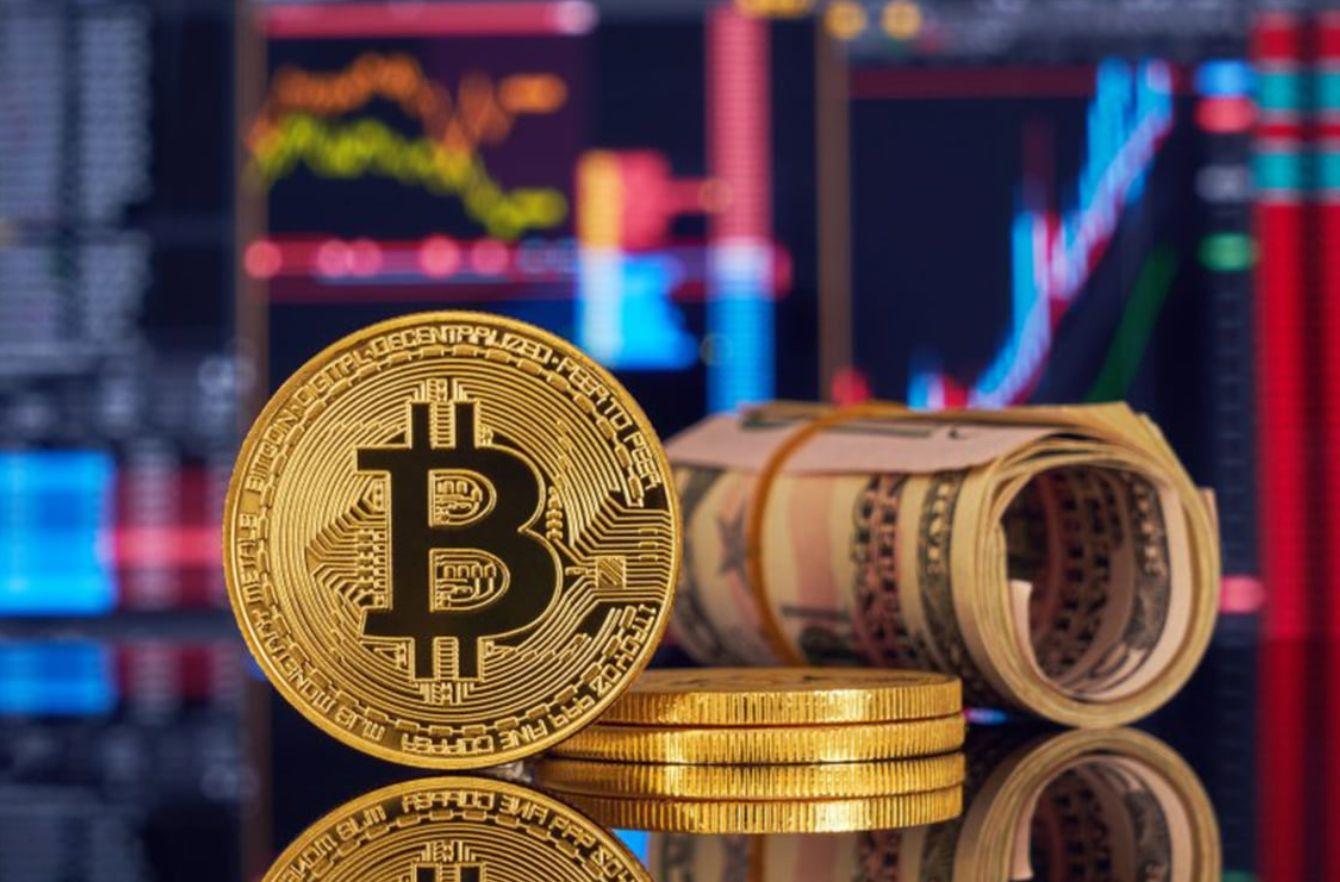
In recent years, Bitcoin has ceased to be solely a speculative asset and is increasingly being viewed as a tool for long-term savings. From pension funds to individual investors, the sentiment “Bitcoin is digital gold” is becoming more common. But how accurate is this claim? Why are millions of people worldwide increasingly choosing it as a means of preserving wealth?
The evolution of Bitcoin’s perception: from “bubble” to “safe haven”
When Satoshi Nakamoto launched Bitcoin in 2009, it was largely seen as a philosophical and technological experiment. It was perceived as an enthusiasts’ game, an “anarchic currency,” or a way to bypass traditional financial systems. Over time, however, attitudes toward the cryptocurrency changed. With rising inflation, political instability, and devaluation of fiat currencies, Bitcoin began to be seen as a way to maintain purchasing power. Many high-inflation countries—from Venezuela to Turkey—show growing public interest in BTC.
Why Bitcoin is more than “digital gold” — a tool for savings
Several key reasons make Bitcoin suitable for long-term value storage:
- Limited supply: Only 21 million bitcoins will ever exist. This hard cap, encoded in Bitcoin’s protocol, makes BTC a deflationary asset, unlike fiat currencies, which can be printed indefinitely.
- Independence from central banks and governments: Bitcoin is decentralized. No central authority controls the network, making it resistant to political decisions, manipulations, and currency reforms.
- Inflation protection: Many investors see Bitcoin as a hedge against inflation. When dollars, euros, or rubles lose purchasing power, Bitcoin offers an alternative with a transparent and predictable issuance model.
- Global liquidity: BTC can be exchanged anywhere in the world, 24/7, making it a convenient store and transfer of wealth without borders or banking restrictions.
Bitcoin as “Savings 2.0”: digital real estate?
The comparison with real estate is not accidental. Many people consider property, land, or homes as a way to preserve capital. Bitcoin offers similar advantages with higher liquidity and a lower entry barrier, effectively making it a form of “digital real estate.”
Risks and limitations
No asset is risk-free. Bitcoin has some downsides:
- High volatility: BTC’s price can fluctuate significantly in the short term, making it less predictable.
- Regulatory threats: Some countries ban or restrict cryptocurrency usage.
- Storage security: Losing access to a wallet means losing funds, requiring strong digital literacy.
Who should consider Bitcoin as savings?
Bitcoin isn’t a cure-all but can complement a diversified portfolio, especially in times of economic instability, inflationary pressure, and declining trust in traditional currencies. It’s particularly relevant for:
- Residents of high-inflation countries
- Young people seeking digital financial freedom
- Those who want assets outside the banking system
- Long-term investors
In today’s globalized world of information, capital, and risk, Bitcoin has become an integral part of the new financial reality—and perhaps one of the best ways to preserve and grow wealth in the 21st century.